“Investors are underestimating how fundamentally AI is changing the Big Tech business model,” Shay Boloor, chief market strategist at Futurum Equities, said, according to Reuters.
“These companies were historically valued as asset-light platforms because revenue could scale much faster than capital requirements, but AI is pushing them toward a hybrid model where software, advertising and cloud economics increasingly depend on enormous physical infrastructure spending,” he added.
Bondholders are already signaling they want more proof. Credit spreads on leading hyperscaler debt have widened to about 78 basis points over Treasuries from 50 basis points two months earlier, the sharpest move since tariff-related volatility in April 2025.
The widening might be modest by historical standards, but it marks a break from the near-automatic confidence that accompanied tech mega-cap issuance.
Amazon also encountered more demanding buyers in a $25 billion bond sale in July, Fortune reported. The company offered an additional 18 to 21 basis points of yield on its longest maturities, while orders totaled about 2.5 times the amount offered, down from 3.2 times in March.
Apollo’s Chief Economist Torsten Slok warned that coverage of new hyperscaler deals slipped to twice the size of offerings by July, down from roughly five times in February, signaling waning interest.
“Earnings growth may not be enough to justify investment if capex is depleting cash,” said David Russell, global head of market strategy at TradeStation. “Companies exist to make money, not spend money.”
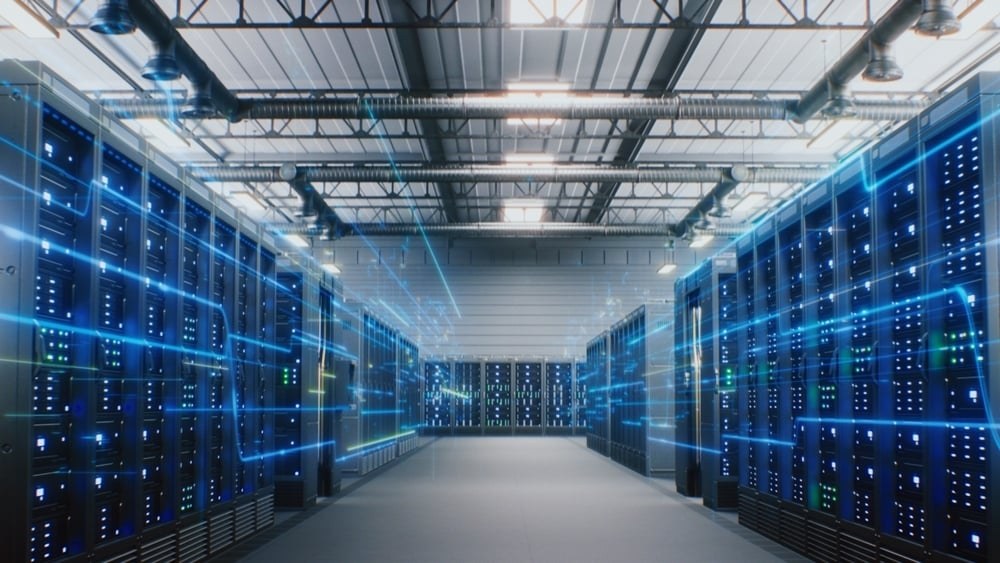
The deeper concern is structural. Moody’s noted Silicon Valley is shifting from “asset-light to asset-heavy models,” requiring data centers, power-hungry servers and long-lived infrastructure rather than easily scalable software and cloud platforms.
Moody’s warned that the move “from asset-light to asset-heavy models requires unprecedented levels of investment and capital raising” and “threaten[s] credit quality.”
Microsoft and Alphabet retain substantial balance-sheet flexibility, while Oracle, rated Baa2 with a negative outlook, and Ba3-rated CoreWeave face greater vulnerability.
Still, as lease obligations grow and AI labs such as OpenAI and Anthropic become both investment recipients and major cloud customers, creditors may increasingly value Big Tech less like unconstrained software platforms and more like industrial infrastructure utilities.
© 2026 Benzinga.com. Benzinga does not provide investment advice. All rights reserved.
To add Benzinga News as your preferred source on Google, click here.