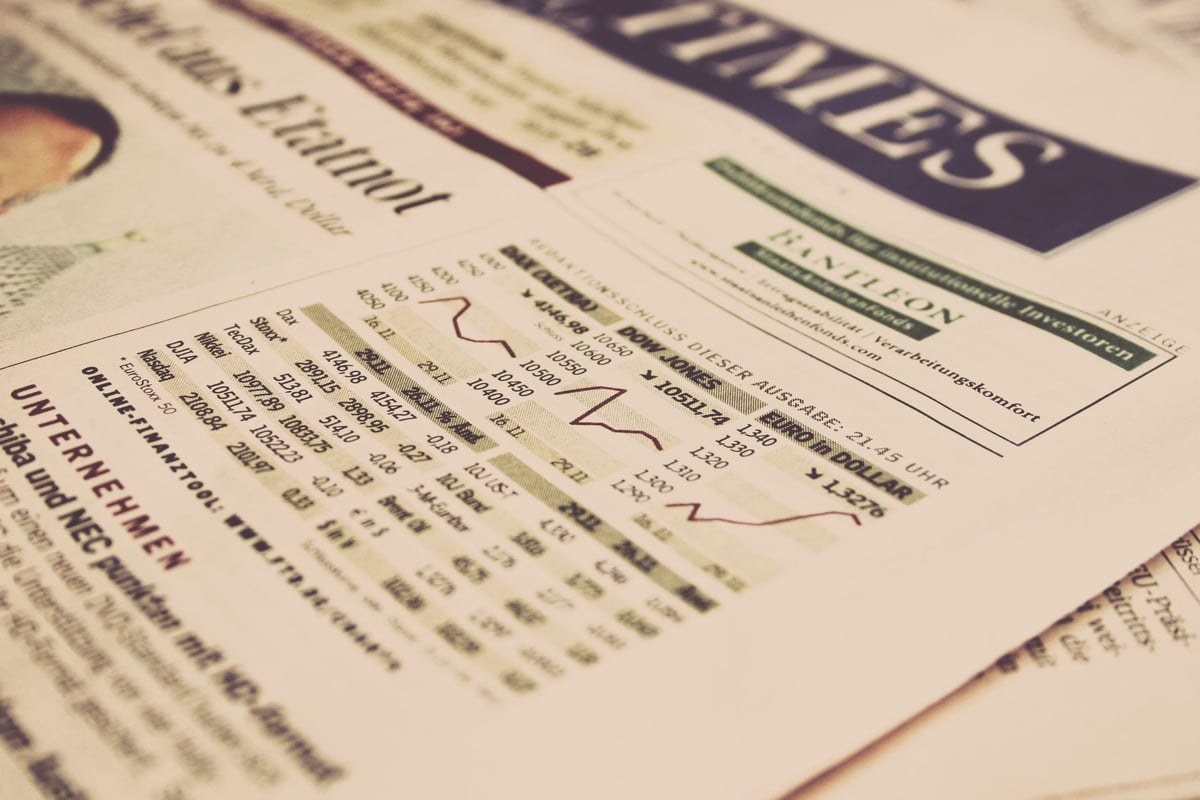
This morning, SpaceX began trading on the Nasdaq under the ticker SPCX after pricing its shares at $135 each, raising roughly $75 billion in the largest initial public offering in history.
Millions of people who have never owned a single share are placing their first orders today, which makes this the perfect moment to understand the machine they are stepping into.
How Does the Stock Market Work?
The stock market is a network of exchanges where buyers and sellers trade small ownership stakes in public companies, with prices set continuously by supply and demand.
When you buy a share, you are not buying from the company itself in most cases. You are buying from another investor who wants to sell, with the exchange matching the two of you in fractions of a second.
Companies use the market to raise money, and investors use it to grow wealth, collect dividends, and sell their stakes whenever they choose.
Where Stocks Actually Trade
The two dominant U.S. exchanges are the New York Stock Exchange and the Nasdaq, which together list thousands of companies worth tens of trillions of dollars.
Regular trading runs from 9:30 a.m. to 4 p.m. Eastern on weekdays, though many brokerages now offer extended or even overnight sessions.
The Securities and Exchange Commission regulates the entire system, and its investor.gov resource explains the rules that protect everyday traders, from disclosure requirements to safeguards against manipulation.
How Prices Are Set
Every stock price you see is simply the last price at which a buyer and a seller agreed to trade.
If more people want to buy a stock than sell it at the current price, the price rises until enough sellers appear. The reverse pushes it down.
That is why prices move constantly during the trading day, reacting to earnings reports, economic data, interest rate decisions from the Federal Reserve, and plain old investor mood.
Today's SpaceX debut shows the mechanics at scale: retail investors alone submitted more than $70 billion in orders for a deal that offered roughly 555.6 million shares, and that imbalance between demand and supply is what determines where the stock opens.
How You Buy and Sell
You access the market through a brokerage account, which works like a bank account built for investing and typically takes 10 to 15 minutes to open online.
Most major brokerages charge zero commission on U.S. stock trades, a standard that took hold across the industry in 2019.
Once funded, you enter a ticker symbol, such as AAPL for Apple or SPCX for SpaceX, choose how much to buy, and submit an order.
A market order executes immediately at the best available price, while a limit order only fills at the price you name or better.
Fractional shares let you buy a slice of a single share for as little as $1 or $5, so a $135 stock does not require $135 to own. Benzinga's guide on how to buy stocks walks through each step in detail.
Why Most People Do Not Pick Individual Stocks
Roughly half of the money in U.S. investment funds now sits in passive vehicles that track an index like the S&P 500, which holds 500 of the largest American companies.
Buying one index fund spreads your money across hundreds of businesses at once, smoothing out the wild swings any single stock can take.
If that approach appeals to you, this breakdown of how to invest in index funds covers picking a fund, comparing fees, and placing your first order.
Choosing where to open your account matters too, since platforms differ on research tools, fractional share access, and retirement account options, and Benzinga's rankings of the best stock brokers in the U.S. compare the leading choices side by side.
If you want a single app that combines commission-free trading, fractional shares starting at $5, and IPO access for eligible members, SoFi's active investing platform lets you open an account in minutes with no minimum balance.
What Happens After Today's Record IPO
SpaceX will not be the last giant to test the market's appetite, as strategists expect IPOs from Anthropic and OpenAI in the near future.
Index providers are also weighing how quickly to add SpaceX to major benchmarks, a decision that would route money from millions of retirement accounts into the stock automatically.
For new investors, that is the deeper lesson of this week: even if you never type SPCX into an order screen, the stock market has a way of making you an owner anyway.