-
The G7 has agreed to coordinate the release of 100 million barrels of oil and petroleum products through the IEA over four months, with a substantial volume of diesel to be released within the first 20 days
-
Diesel has emerged as a major pressure point in the global energy shock, with disruptions to refining and shipping in the Middle East and Russia tightening supplies even as some crude oil flows recover
-
The G7 is combining the emergency stock release with higher refinery utilisation and a pledge to avoid energy export restrictions, but the longer-term impact will depend on the restoration of normal flows through the Strait of Hormuz and wider recovery in global oil markets
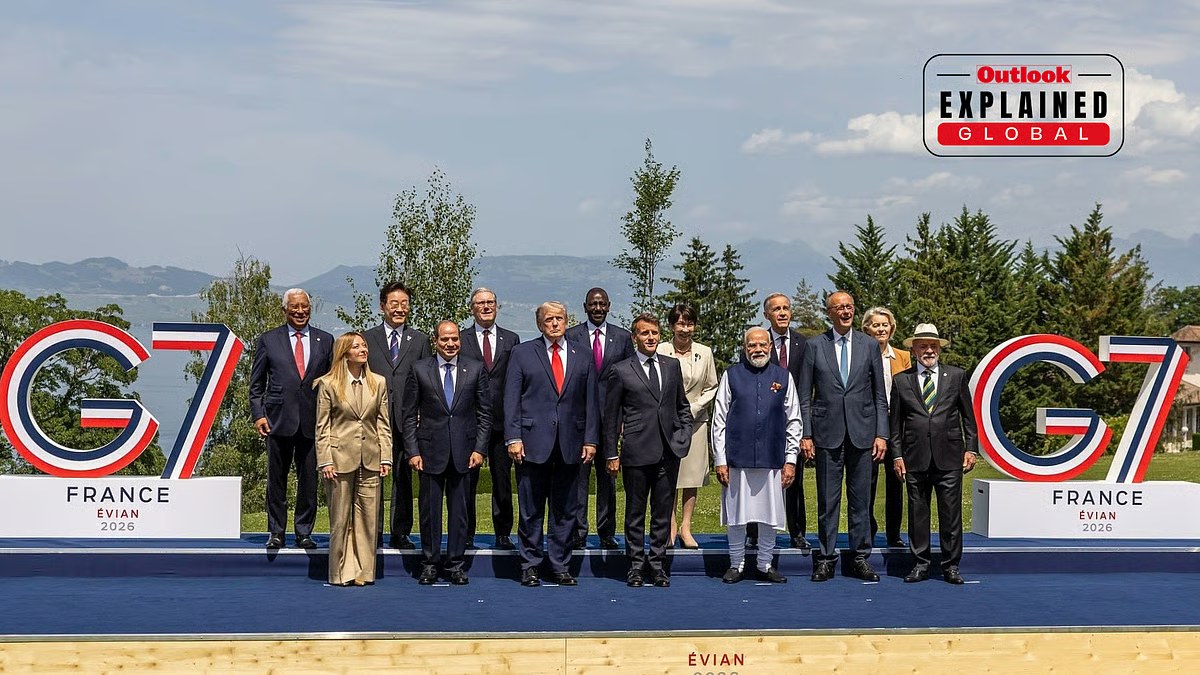
The Group of Seven has agreed to coordinate the release of 100 million barrels of oil and petroleum products through the International Energy Agency over the next four months, with a “substantial” volume of diesel to be released in the first 20 days.
The move comes as energy markets face continuing disruption linked to the conflict in the Middle East and as diesel prices have risen sharply. In the United States, the average retail diesel price reached $6.29 a gallon on September 14, the highest nominal price recorded in the Energy Information Administration's series dating to 1994. It stood at $6.37 a gallon on October 1.
The G7 announcement follows a 400-million-barrel emergency stock release agreed by IEA member countries in March. The IEA said on Friday that around 325 million barrels from that earlier collective action had already been released, or more than 80% of the original commitment.
The latest decision is aimed at easing immediate supply pressures, particularly in diesel markets, while keeping fuel moving between G7 countries and avoiding export restrictions that could further tighten markets.
What Did The G7 Agree?
The G7 leaders met by videoconference on Friday, October 2, with IEA Executive Director Fatih Birol taking part.
Their statement said the group would coordinate a release of 100 million barrels through the IEA, beginning immediately and continuing over four months. A “frontloaded substantial diesel release” will take place within the first 20 days, while the G7 will also consider further diesel releases if necessary.
The leaders also agreed to coordinate refinery maintenance schedules and temporarily increase refinery utilisation where feasible. They called on countries with significant refining capacity to increase production of refined products, particularly diesel.
Another commitment was to avoid energy export bans among G7 members. The group said restrictions on exports of energy and energy products could worsen existing market tensions.
The immediate objective is therefore broader than releasing crude oil from strategic reserves. The G7 is trying to increase the availability of refined fuels, keep refineries operating and prevent trade restrictions from adding to the supply problem.
Why Is Diesel The Priority?
The pressure in the current oil shock is particularly acute for refined products.
The IEA said on Friday that crude oil exports from the Middle East had recovered significantly, but refined-product flows remained severely constrained. It said diesel markets were being hit by disruptions in both the Middle East and Russia, with Ukrainian attacks on Russian refineries adding to the losses.
The IEA's September Oil Market Report said Gulf countries exported an average of only 390,000 barrels a day of diesel and gasoil in August, slightly more than a quarter of pre-conflict levels. Combined diesel and gasoil exports from the Gulf and Russia were 1.6 million barrels a day below February levels, when those regions accounted for almost 45% of global seaborne trade in those products.
That has created a problem even where crude supplies have been partly restored. Refineries have to convert crude into products such as diesel, and disruptions to refining capacity and shipping can therefore leave markets short of finished fuels even when crude is still available.
The EIA said US diesel prices have been driven higher by elevated crude prices and high refining margins, while global supplies of distillate fuel have remained tight because of reduced refining activity in Russia, China and the Middle East.
What Is Driving The Oil Shock?
The immediate supply problem is closely tied to disruptions around the Strait of Hormuz.
The IEA said flows through the strait averaged only 7.6 million barrels a day in August, 13.1 million barrels a day below pre-war levels. It estimated cumulative export losses through the waterway at nearly 2.8 billion barrels.
Some of the lost supply has been offset through alternative routes. Saudi Arabia and the United Arab Emirates increased exports through ports and pipelines that bypass the strait, while production elsewhere also helped narrow the supply gap. But the IEA said those offsets were no longer sufficient to fully compensate for the disruption.
The agency's September report said global oil inventories had fallen by 507 million barrels since the start of the conflict, an average draw of 2.8 million barrels a day. August alone accounted for a 95-million-barrel decline.
The G7 statement itself called for the restoration of full navigational rights in the Strait of Hormuz and condemned Iran's disruption of trade and energy security. Those are the group's stated positions; the IEA's market analysis separately documents the effect of the shipping disruption on oil flows.
How Much Oil Has Already Been Released?
Friday's announcement needs to be understood alongside the much larger emergency stock release agreed earlier this year.
On March 11, the 32 members of the IEA agreed to make 400 million barrels of oil and refined products available from emergency reserves. The US committed to release 172 million barrels from its Strategic Petroleum Reserve, with deliveries planned over roughly 120 days.
By October 2, the IEA said around 325 million barrels of the 400-million-barrel collective commitment had already been released. The agency said those releases had played a significant role in helping to plug the supply gap and reassure markets.
The latest G7 decision is a separate announcement of coordinated action through the IEA, with the group saying it is taking account of commitments that have already been fulfilled. The statement does not describe the 100 million barrels simply as a continuation of the 400-million-barrel March figure; it sets out a new four-month release schedule and asks the IEA to monitor implementation.
That distinction matters when comparing the headline numbers. The 400 million barrels were an IEA-wide collective action involving 32 member countries, while Friday's decision was agreed by the G7 and coordinated through the IEA.
What Is The US Doing?
The United States has already been releasing crude from its Strategic Petroleum Reserve under the March commitment.
On Tuesday, the US Department of Energy announced a request for proposals covering an exchange of up to 40 million barrels of crude from the reserve. The department said that move continued implementation of the 172-million-barrel US commitment and followed five earlier solicitations that had collectively awarded more than 133 million barrels across four completed exchanges.
The department said deliveries under those awards were scheduled for November and December. Because the transactions are structured as exchanges, companies are expected to return the borrowed crude with additional barrels, allowing the reserve to be replenished while supplying oil to the market in the short term.
President Donald Trump said on Friday that the diesel release would happen “immediately”, reflecting the G7 statement's commitment to frontload a substantial diesel release within 20 days. In a social-media post, Trump also said Europe had agreed to release a large amount of diesel and that the process would begin immediately.
The precise allocation of the new G7-coordinated 100 million barrels among members and partners is to be discussed through the IEA.
What Is Europe Doing?
Europe is dealing with the same global tightness, although the European Commission said on Friday that diesel supplies in the European Union remained stable for the time being.
The Commission's Energy Union Task Force met on October 2 to assess diesel supplies and prices. It said the IEA had briefed European officials on the progress of the collective stock release launched in March and that the EU would continue monitoring the market and coordinating action.
France has taken the lead in convening the G7 meeting because it holds the group's 2026 presidency. President Emmanuel Macron's office said European measures were already being taken to increase refinery operations and that further steps would follow.
The G7's decision to avoid export restrictions among members is also particularly relevant for Europe because fuel can move between markets when supply conditions differ. The group's statement said energy export bans would be harmful to all members by worsening shortages elsewhere.
Will The Release Lower Prices?
The release is designed to increase short-term supply and reduce pressure on markets, but the G7 has not said by how much prices will fall.
The IEA's assessment shows why the effect may depend on what happens to actual oil flows at the same time. The agency said that although some Middle Eastern crude exports have recovered, refined-product supplies remain severely constrained. It also said global inventories have already fallen substantially and that the refining system is under heavy pressure.
Releasing stocks can add barrels to the market relatively quickly, but it does not restore refinery capacity or permanently reopen disrupted shipping routes. The G7 is therefore pairing the reserve release with other measures, including higher refinery utilisation and coordination of maintenance schedules.
For consumers, the diesel market is particularly important because diesel is used extensively in freight, agriculture and heating. The EIA notes that higher diesel prices can raise road and rail freight costs and affect agriculture and home heating in the northeastern United States.
What Happens Next?
The first test will be the timing and composition of the release.
The G7 has asked the IEA to coordinate implementation and report back within 20 days with recommendations, including measures to replenish strategic stocks. It has also said the group will discuss whether further diesel releases are needed.
The broader market will continue to depend on developments beyond the G7's stockpile decisions. The IEA said in September that restoring normal oil flows through the Strait of Hormuz remained the most important step for bringing oil and gas markets back towards stability, while crude and refined-product supply disruptions continued to weigh on prices.
The G7's intervention therefore represents an attempt to buy time for energy markets: release stored supplies quickly, keep refineries operating, maintain cross-border fuel flows and prevent protectionist measures from deepening the shortage. Whether that is enough will depend on how long the underlying supply disruptions last and how quickly global oil and refining flows recover.