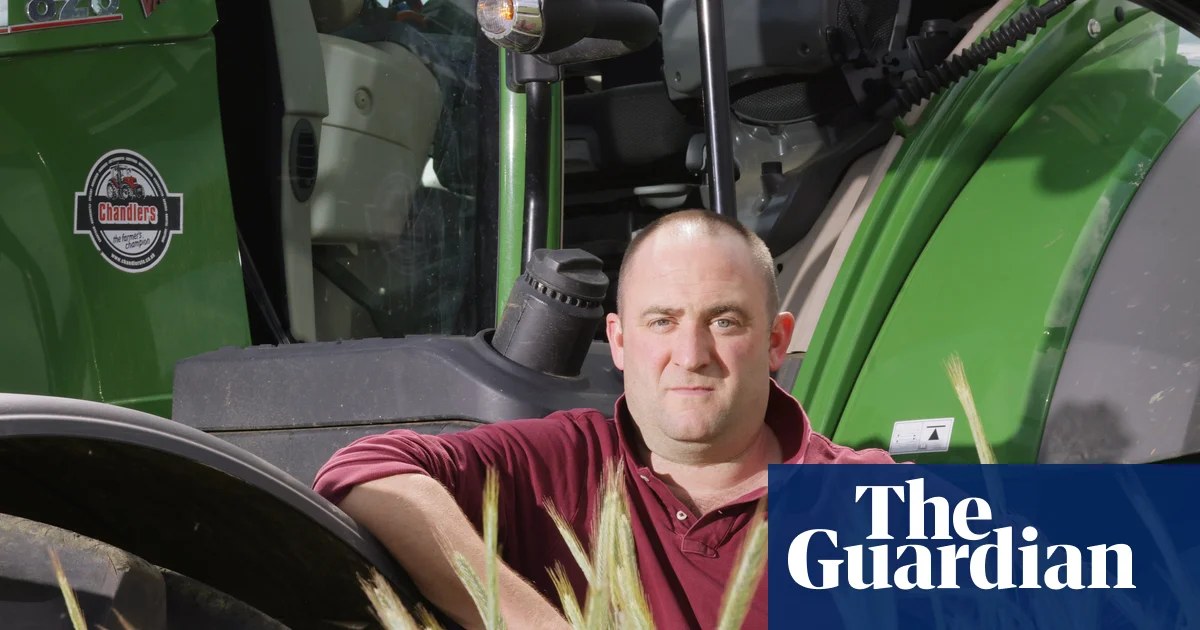
“There are so many decent, capable, productive, efficient arable farmers out there, asking how they are supposed to finance the crop they are meant to be putting in the ground,” Jamie Burrows says.
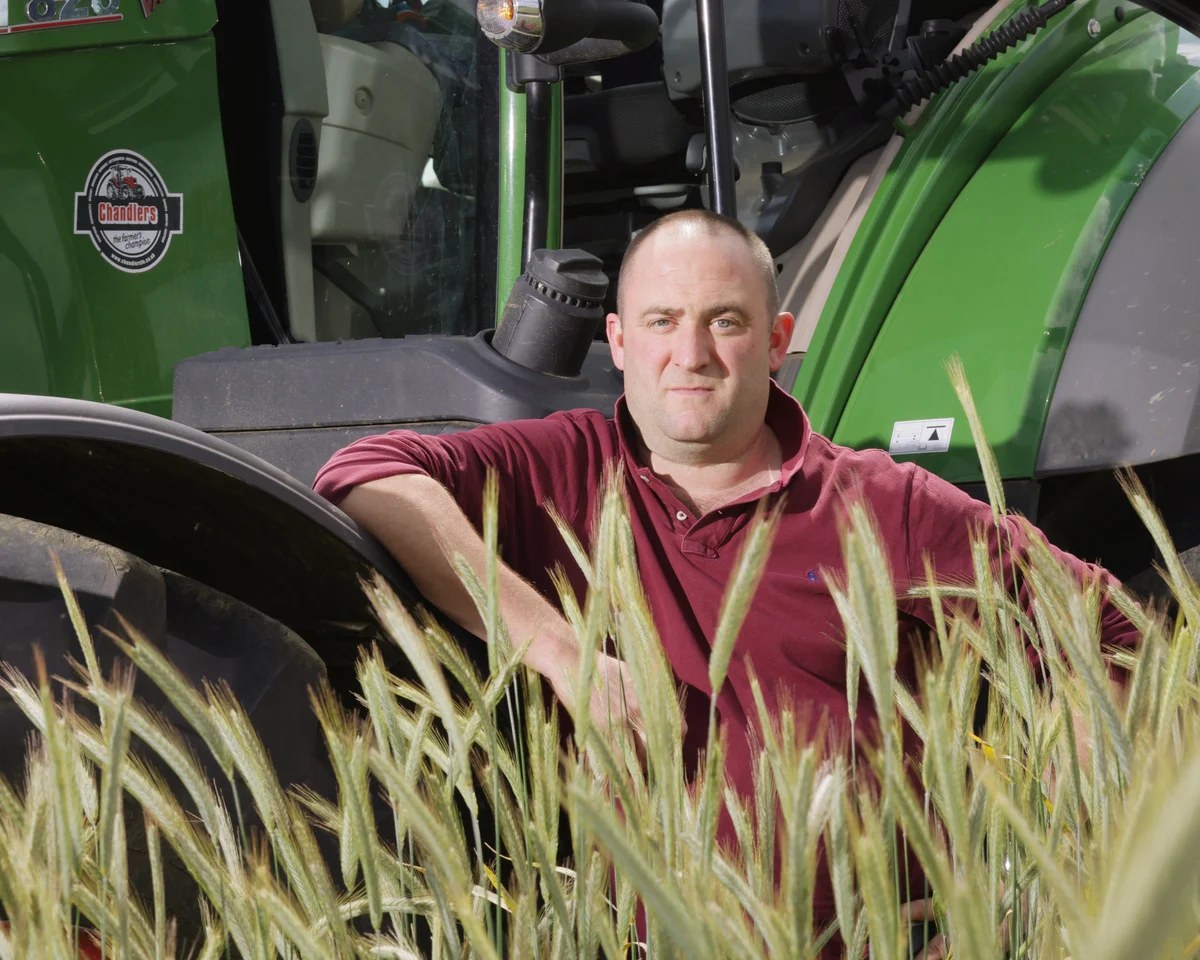
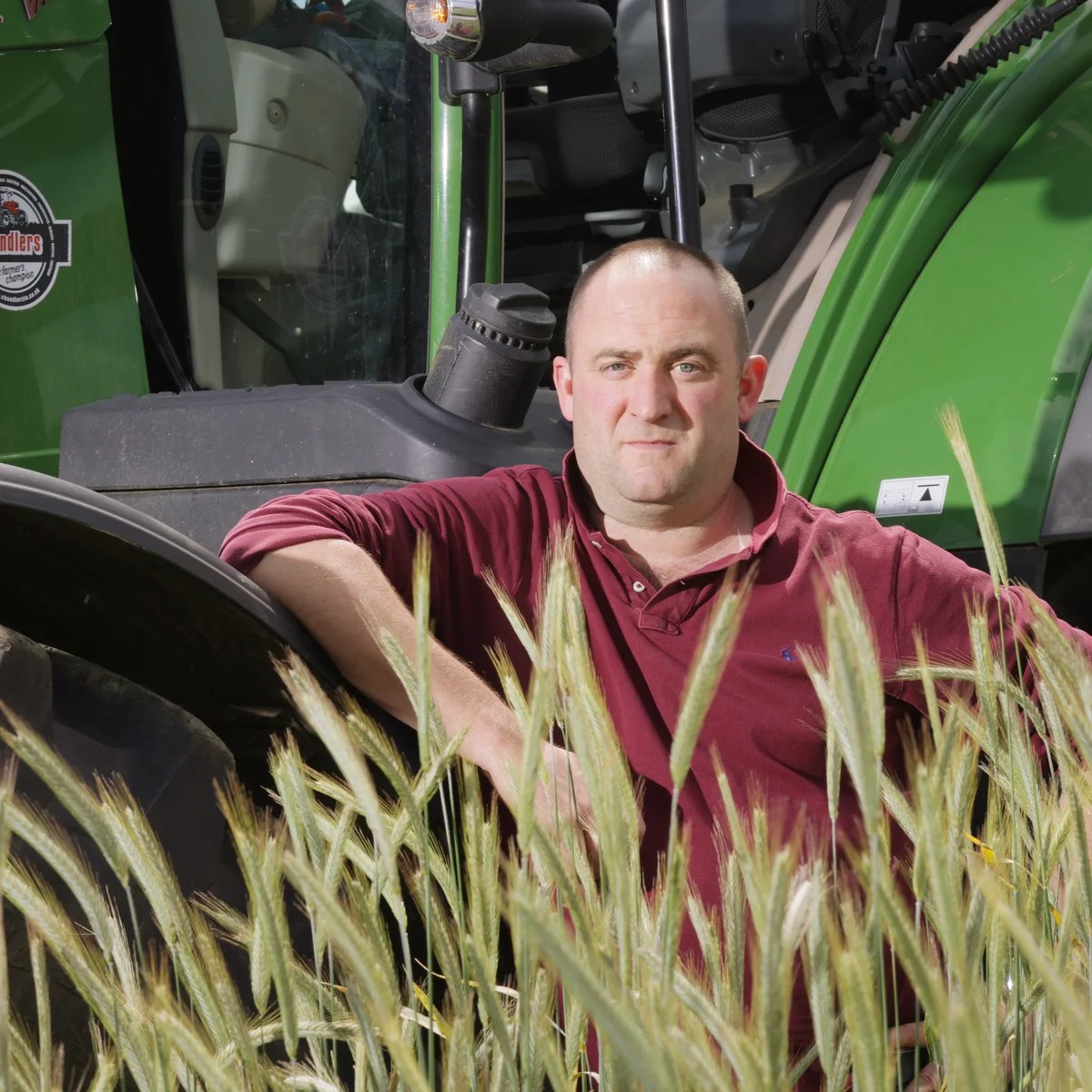
Sitting in his tractor at his arable farm in Norfolk, Burrows is listing the multiple challenges facing him and other food producers.
Crop growers such as Burrows are ploughing and cultivating their fields, preparing the ground – hardened and dried out during the long, hot summer – for their next crop.
But machinery requires fuel, and the cost of red diesel – used for agricultural vehicles and machinery that is taxed at a lower rate than standard diesel – has almost doubled since the conflict in Iran began in late February. The cost of most fertilisers used to grow crops and feed for animals has also soared by about 20% over the same period.
“Some of these businesses aren’t going to make it,” concludes Burrows, who is also the chair of the crops board at the National Farmers’ Union (NFU). “It is very, very difficult.”
These are among the latest worries for Britain’s food producers, who also faced a succession of heatwaves and drought conditions during the UK’s hottest summer on record, which resulted in England’s worst recorded cereals harvest, according to official production estimates.
Farmers, the first link in the food production chain, are adding their voices to the chorus of warnings about the vulnerability and precarity of the UK’s food supply.
Food experts, academics, businesses and the public spending watchdog, the National Audit Office (NAO), have in recent weeks called on the government to work on making the UK’s food system more resilient.
The climate crisis, this year’s huge El Niño weather pattern, geopolitical shocks, energy outages and cyber-attacks are all considered threats to food chain security.
Amid calls for ministers to treat food as a national security issue, parliament’s influential public accounts committee is to begin a series of hearings on Monday as part of its inquiry into the resilience of the UK’s food supply.
MPs on the committee will look at the NAO’s findings on the shortcomings of the last catastrophe planning exercise by the Department for Environment, Food and Rural Affairs (Defra), which largely excluded food supply chain businesses.
Britain produces about 60% of the food it needs to feed itself, but is more dependent on imports than many European peers. The government’s own research has shown Britons are less prepared for potential future emergencies than several European neighbours.
Some in the food industry believe there are signs Andy Burnham’s government is beginning to take the threats to Britain’s food system more seriously.
The Cabinet Office will launch a campaign telling households to stock up on tinned foods alongside preparations for possible future emergencies. The government’s Prepare website outlines steps it says people should take, which include storing items at home, including bottles of water and nonperishable food, such as tinned meat, fruit and vegetables that do not require cooking.
Despite this, a recent warning from more than 150 food experts and academics accused ministers of being “complacent” about food security and not having a plan to feed people in an emergency.
“Historically we have done pretty well coping with specific events such as Covid and we’ve managed to ride through them, but we’re moving into a period where we’re having multiple crises impact at the same time,” says Prof Paul Behrens of the Oxford Martin School, University of Oxford, who signed the letter.
These include the worsening climate crisis and increased water scarcity in regions that now provide some of the fresh produce UK households rely on, including the Mediterranean and north Africa.
Meanwhile, Behrens and other experts, including Prof Tim Lang of the Centre for Food Policy, City St George’s, University of London, have been warning for some time that the UK’s food distribution network is concentrated, leaving it exposed to potential disruption or targeting by bad actors.
Lang has previously stated that the UK’s supermarket network is supplied by just 131 distribution hubs – serving 12,300 stores – while the industry body the Cold Chain Federation has warned that most of Britain’s food imports enter the country through four ports – Dover, Felixstowe, Southampton and London Gateway.
The UK government wound up the strategic food stockpile that had been in place since the second world war in the 1990s. Behrens says other nations, particularly Scandinavian countries, now have “far greater national preparedness”.
He says: “They’re looking at community responses and how much households can have on hand. They’re looking at their own local production and some countries have strategic stores of grain.”
Mother of one Ana, 42, is one of a small but growing number of citizens who have been preparing for possible future emergencies for some time. Now living in south Wales, she is originally from eastern Europe and grew up in a family that grew food and preserved it for the colder months. She now shares tips on her YouTube channel, advising other households on resilience and how to build an emergency stockpile.
“It’s just a normal way of life, basically safeguarding yourself and your family,” she says. Ana describes herself as a “prepper”, but wants to move away from its negative connotations, such as panic buying or being a survivalist.
“The stereotype was … that preparedness is American, really weird, all camo and blokes in the bushes, hunting and eating squirrels and mushrooms,” she says. Instead she wants to help other citizens learn how they could cope for a few hours, days or even weeks without power, water or being able to get to the shops.
“If the stereotype had been dispersed originally by the government, then people would look at preparedness as an everyday thing,” she says.
Rob Haward, the chief executive of organic vegetable box delivery company Riverford, believes the UK’s food supply chain needs a “very complicated rethink and a different vision for future security”.
Devon-based Riverford distributes about 65,000 boxes a week to customers and about 70% of the produce it sells is grown in the UK, although it also has long-term relationships with growers in Spain and Italy.
While the UK is always going to import fruit such as bananas, which cannot be grown in large volumes domestically, Haward believes consumers can also play a role by returning to eating more seasonally.
Haward says longer-term contracts can help farmers, giving them confidence to invest in their land and what they grow. He adds: “There are different ways we can try to create a food and farming sector different to now and much more resilient to the future world,” such as working to restore soils to better withstand the changing climate. He also wants government to “pull levers” such as offering lower business rates to greengrocers.