Nasdaq futures rose 0.18%, while S&P 500 futures gained 0.49%.
Shah said investors who avoid the stock because Musk holds more than 80% of voting rights and serves as chief executive, chief technical officer and chairman may miss potential long-term gains, Bloomberg reported on Sunday.
Some institutional investors have criticized SpaceX’s structure, arguing that Musk’s control creates risks for ordinary shareholders.
Nell Minow, co-founder and chair of ValueEdge Advisors LLC, told Bloomberg in June that the SpaceX IPO “extinguishes shareholder rights entirely, all but eliminating the right to bring a lawsuit for failure to meet fiduciary standards, cutting off access to books and records.”
New York City Comptroller Mark Levine also criticized Musk’s control before the IPO, saying, “There’s no precedent for this.”
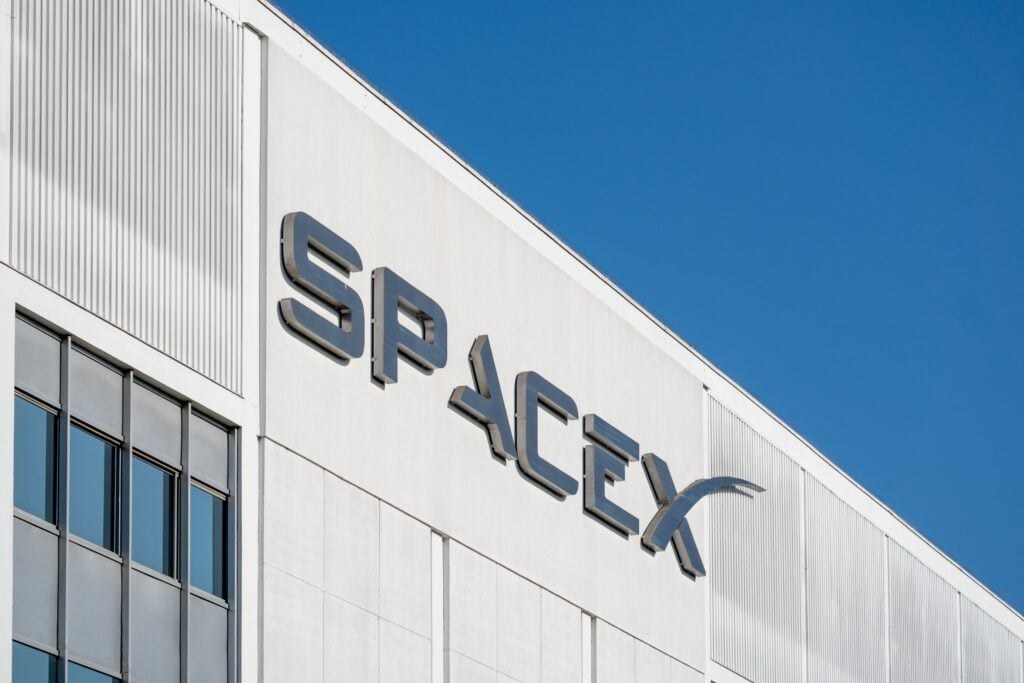
SpaceX shares have declined about 20% since the company’s June 12 initial public offering, which briefly made Musk the world’s first trillionaire. The stock’s decline came during a broader technology selloff that pushed the Nasdaq-100 into correction territory.
SpaceX is scheduled to report its first quarterly results as a public company on Aug. 4 after the closing bell. Reuters reported that investors will likely focus on artificial intelligence spending and profitability at the company’s Starlink satellite communications business.
The stock carries a Buy rating with an average price forecast of $229.96 (high $800.00, low $115.00) across 35 analysts. Recent analyst moves include:
Significance: Because SPCX carries significant weight in these funds, any significant inflows or outflows for these ETFs will likely force automatic buying or selling of the stock.
SPCX Stock Price Activity: SpaceX shares were down 1.33% at $106.93 during premarket trading on Monday, according to Benzinga Pro data.
© 2026 Benzinga.com. Benzinga does not provide investment advice. All rights reserved.
To add Benzinga News as your preferred source on Google, click here.